

Last updated: October 2026
Reishi (Ganoderma lucidum) is a bitter, woody mushroom used for centuries in Chinese and Japanese tradition, and today mostly taken in the evening as part of a wind-down routine. Human evidence is limited: a small trial found benefits for fatigue, but Cochrane reviews found too little evidence for heart health or cancer. It’s generally well tolerated, with rare liver concerns.
This guide covers what reishi is, what the research shows, side effects and who should avoid it, how much to take and when, and the different ways to take it.
What is reishi?
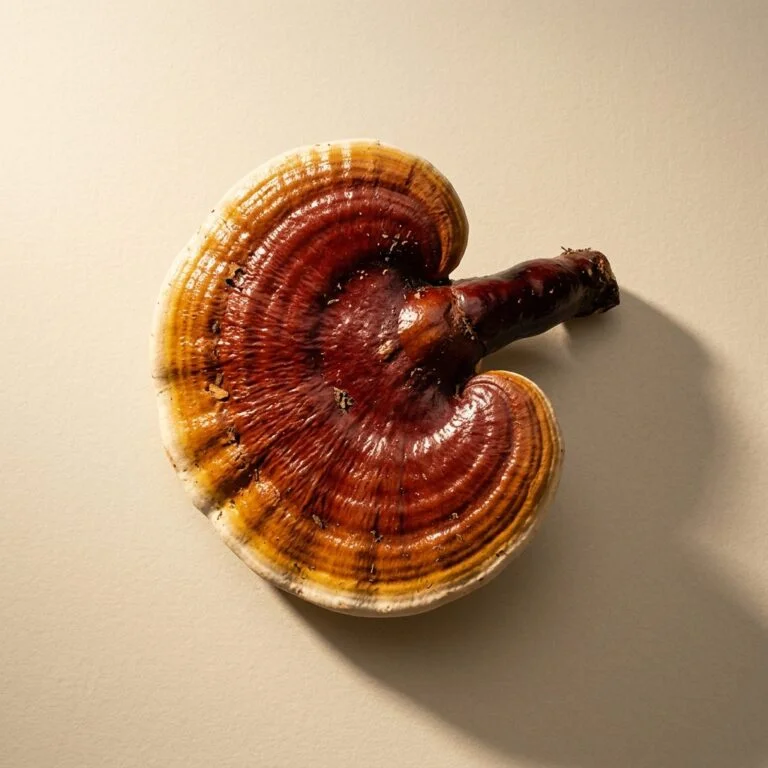
Reishi, called lingzhi in Chinese, is a shiny, reddish-brown shelf fungus that grows on hardwood trees. It’s too tough and bitter to eat, so it’s taken as a tea, powder or extract. Most of its interest comes from compounds called beta-glucans and triterpenes. It isn’t psychoactive.
Reishi benefits: what the research shows
| Area | What the research found |
|---|---|
| Fatigue and wellbeing | A Chinese trial of 132 people with neurasthenia (long-term fatigue) found a reishi extract improved symptoms more than placebo after 8 weeks |
| Sleep | Mostly animal studies; little good human research. See reishi for sleep |
| Heart and blood sugar | Cochrane review, 2015: small trials don’t support it for cardiovascular risk factors in type 2 diabetes |
| Cancer | Cochrane review, 2016: not enough evidence to use it as a cancer treatment; studies were small and low quality |
| Skin | Interest in skincare is growing, but human evidence is limited. See reishi for skin |
In short, reishi is better described as a traditional evening ritual than a proven remedy.
Weighing it against ashwagandha? See reishi vs ashwagandha.
Side effects and who should avoid it
- Common: dry mouth, upset stomach, dizziness, skin rash.
- Liver: rare but serious cases of liver injury have been reported with reishi powder. Stop and see a GP if you get yellow skin or eyes, dark pee or itching.
- Medicines: may add to the effects of blood thinners, blood pressure and diabetes medicines, and may interact with immunosuppressants. Ask your pharmacist.
- Surgery: stop two weeks before, because of a possible effect on bleeding.
- Pregnancy and breastfeeding: avoid, as safety isn’t known.
- Low blood pressure or bleeding disorders: speak to your GP first.
Dosage and the best time to take it
- Amount: doses vary widely depending on whether it’s dried mushroom, powder or a concentrated extract. Follow the label rather than general figures.
- Time of day: most people take reishi in the evening, as part of a wind-down routine.
- Consistency: trials ran for weeks, so take it daily for at least four weeks before judging it.
- Before bed: many people have it as a warm drink an hour or so before bed.
Ways to take reishi
| Form | Pros | Cons |
|---|---|---|
| Tea from dried slices | Traditional | Very bitter; needs long simmering |
| Capsules | No taste, exact amount | Less of a ritual |
| Powder in a drink | Easy to mix | Bitter unless blended |
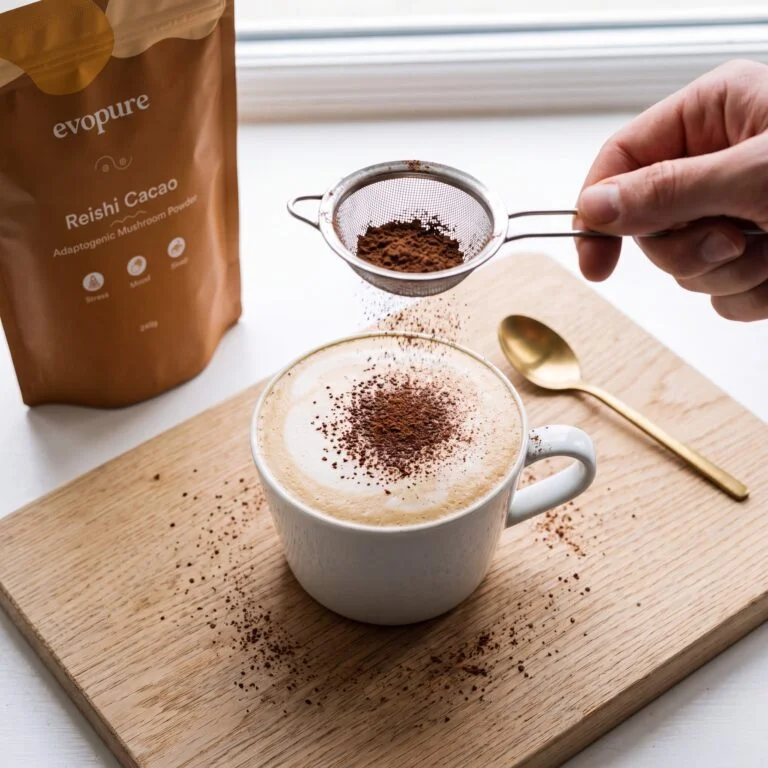
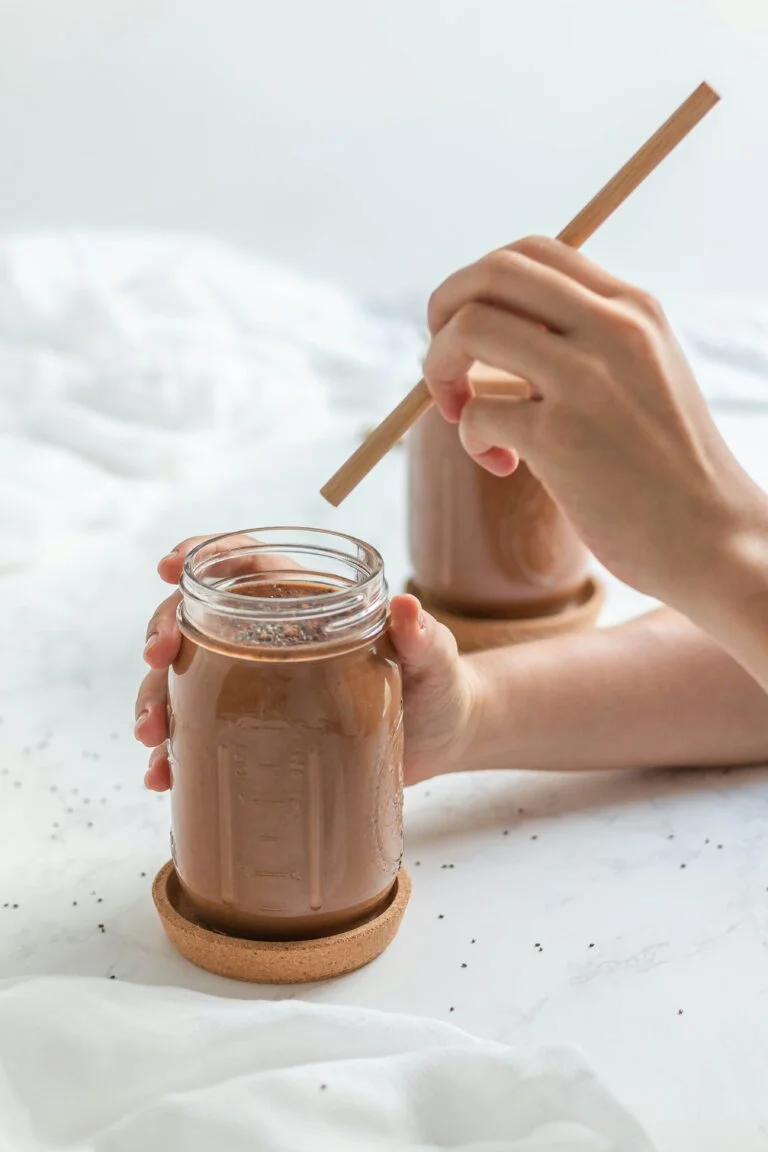
| Reishi hot chocolate | Tastes like cocoa, not mushroom | Check the sugar content |
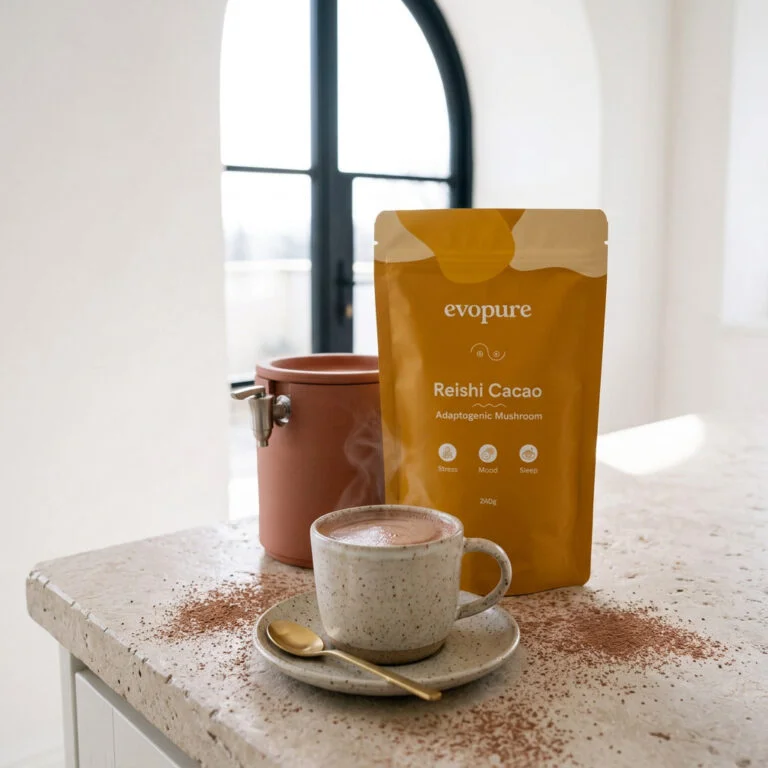
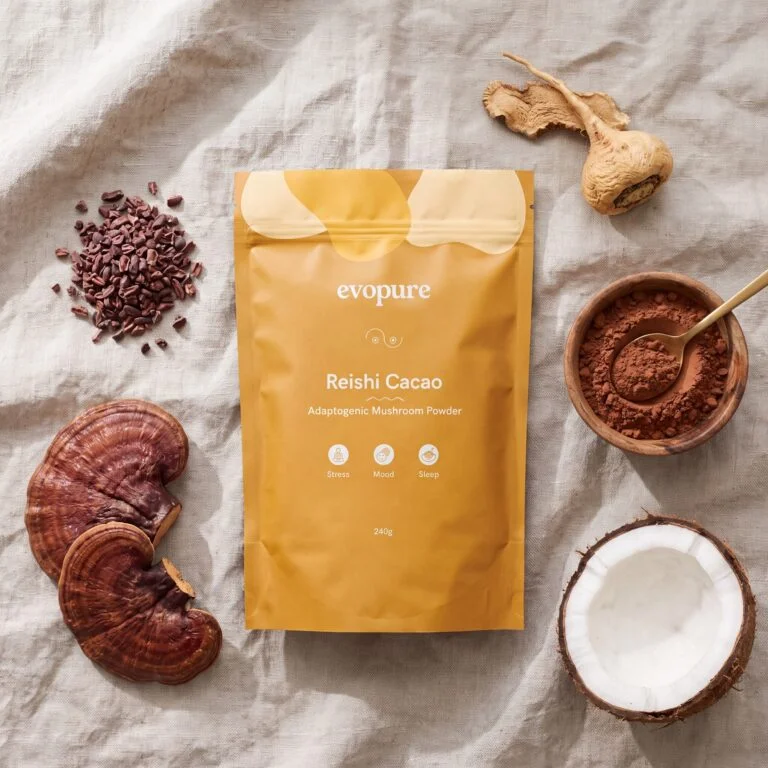
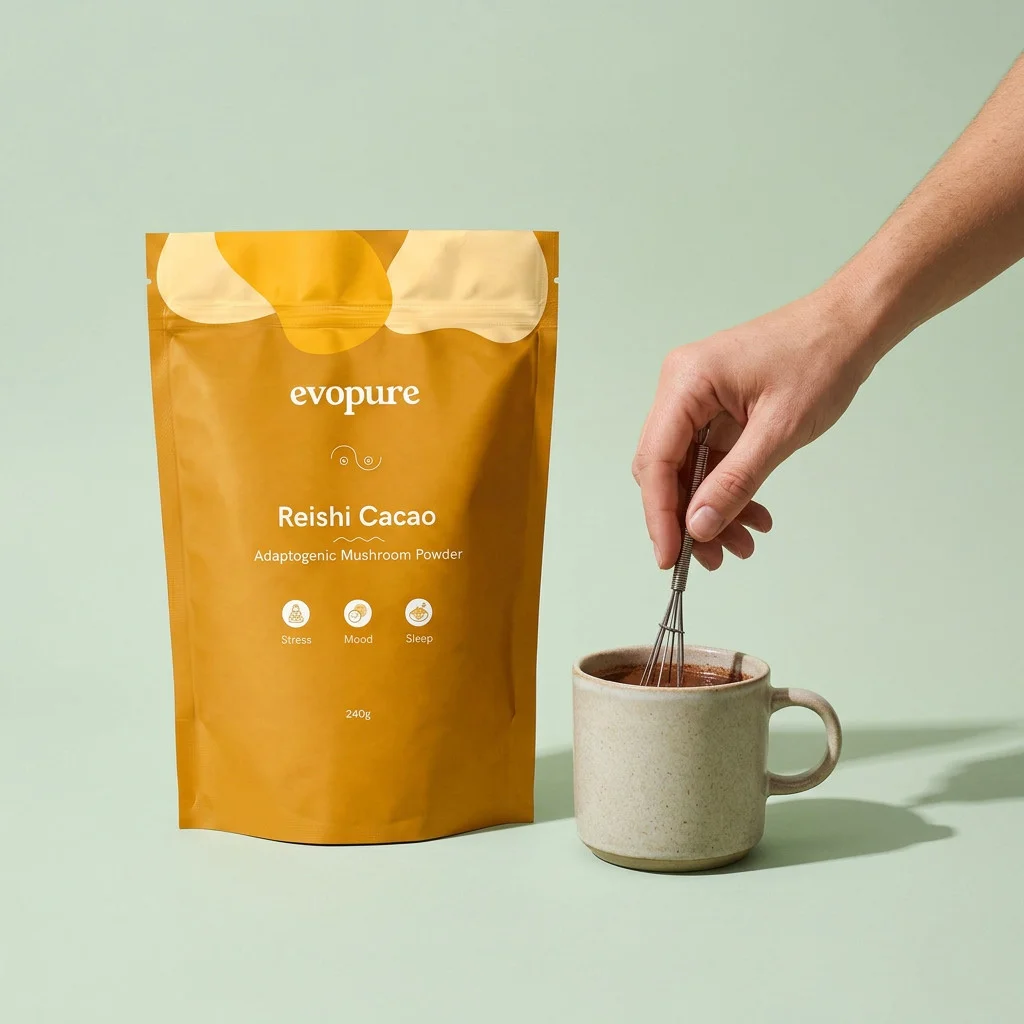
Our Reishi Mushroom Adaptogenic Complex blends reishi extract with cacao, maca and coconut milk, so it tastes like hot chocolate. Stir a scoop into warm milk or water in the evening. See also reishi cacao, mushroom tea and our alcohol-free nightcaps.
Is reishi legal in the UK?
Yes. Reishi is sold legally in the UK as a food and food supplement. It contains no controlled substances. Choose a product that states the part used (fruiting body or mycelium) and the extract strength, and that’s tested for contaminants. For other mushrooms, see our adaptogenic mushrooms guide and lion’s mane vs reishi vs cordyceps.
FAQs
What is reishi mushroom good for?
It’s mostly used as an evening wind-down ritual. A small trial found benefits for long-term fatigue, but evidence for heart health and cancer is lacking.
When is the best time to take reishi?
Most people take it in the evening, often as a warm drink an hour or so before bed.
Is reishi safe to take every day?
For most healthy adults, yes, following the label. Avoid it in pregnancy, and check with a pharmacist if you take blood thinners, blood pressure or diabetes medicines.
Does reishi make you sleepy?
Some people find it relaxing in the evening, but there’s little good human research on reishi and sleep.
Is reishi psychedelic?
No. Reishi contains no psilocybin and isn’t psychoactive.
Can reishi damage your liver?
Rarely. There are case reports of liver injury with reishi powder. Stop and see a GP if you notice yellow skin or eyes or dark pee.
Sources
- Tang W et al. A Ganoderma lucidum polysaccharide extract in neurasthenia. J Med Food, 2005.
- Klupp NL et al. Ganoderma lucidum mushroom for the treatment of cardiovascular risk factors. Cochrane Database Syst Rev, 2015.
- Jin X et al. Ganoderma lucidum (reishi mushroom) for cancer treatment. Cochrane Database Syst Rev, 2016.
- Wanmuang H et al. Fatal fulminant hepatitis associated with Ganoderma lucidum mushroom powder. J Med Assoc Thai, 2007.
- National Cancer Institute. Medicinal mushrooms (PDQ).