

Last updated: October 2026
No, you shouldn’t vape CBD oil. The drops you take under your tongue are made with carrier oils such as MCT or hemp seed oil, which aren’t designed to be heated and inhaled, and oil in the lungs can cause lipoid pneumonia. Only vape a CBD e-liquid made for vaping, or skip your lungs and use drops or capsules.
This guide explains why oil and vapes don’t mix, whether vaping CBD is safe, the difference between CBD oil and CBD e-liquid, the UK rules (including the disposable vape ban and the new age limit), who shouldn’t vape at all, and simpler ways to take CBD.
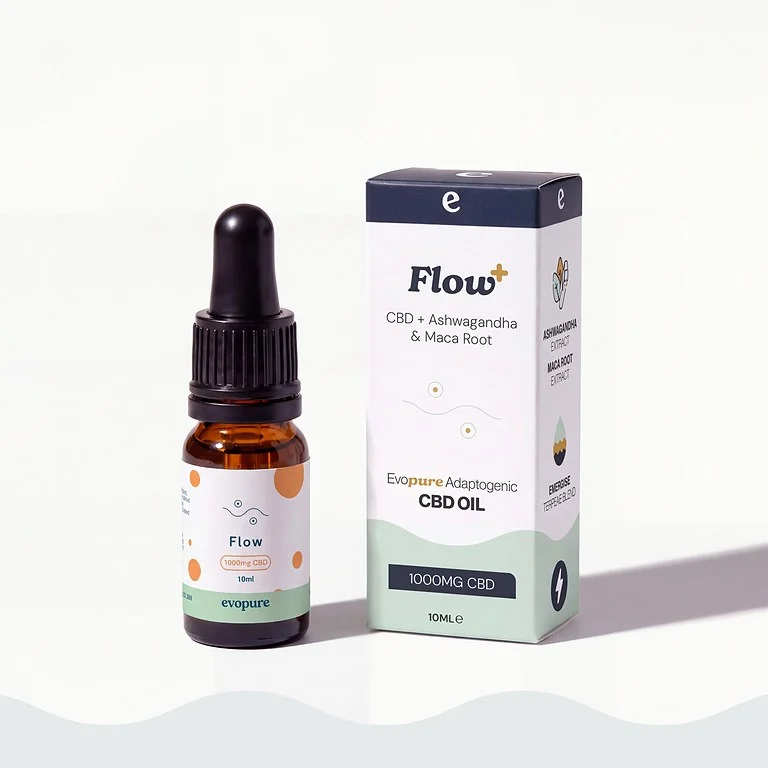
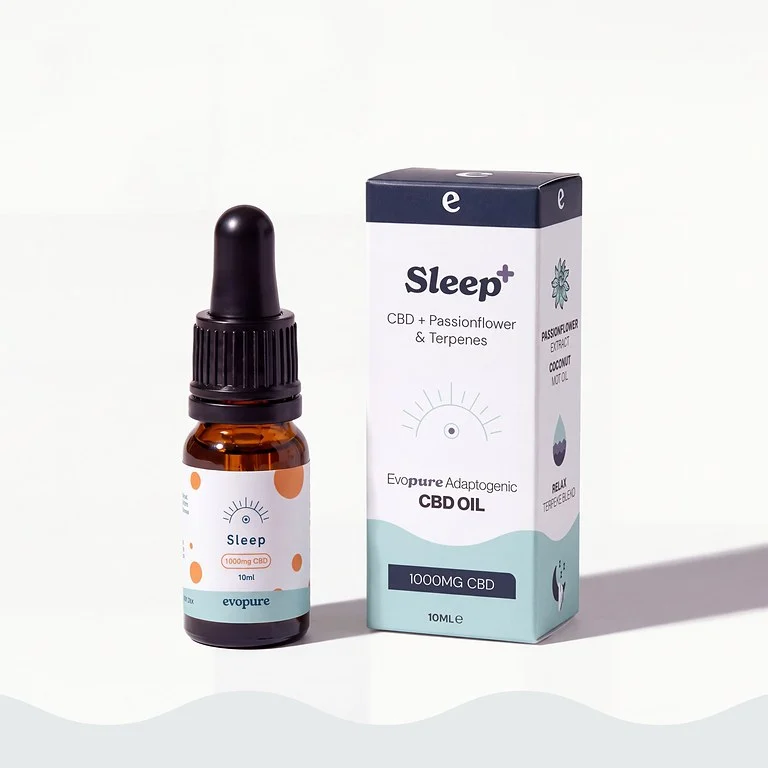
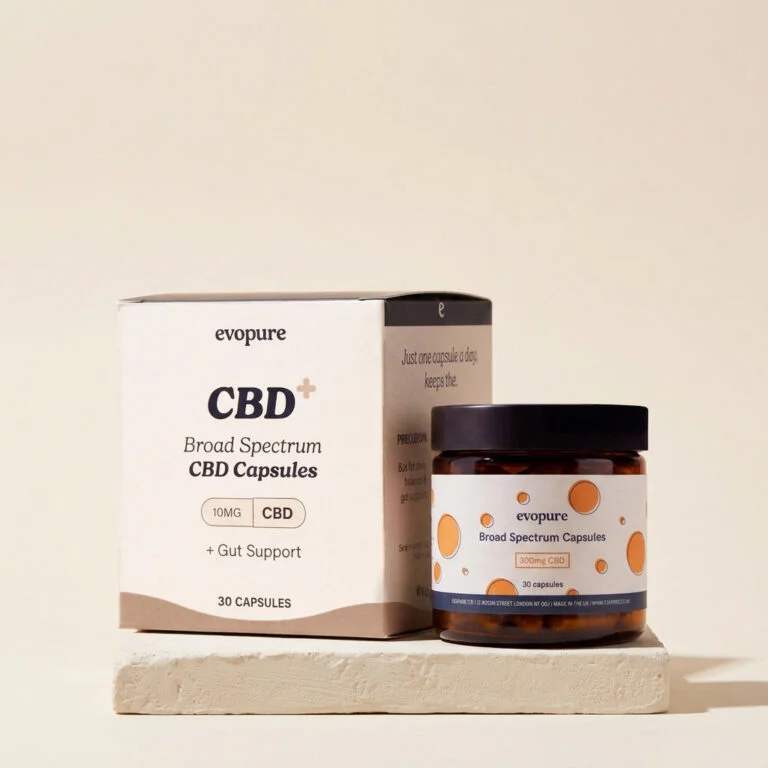
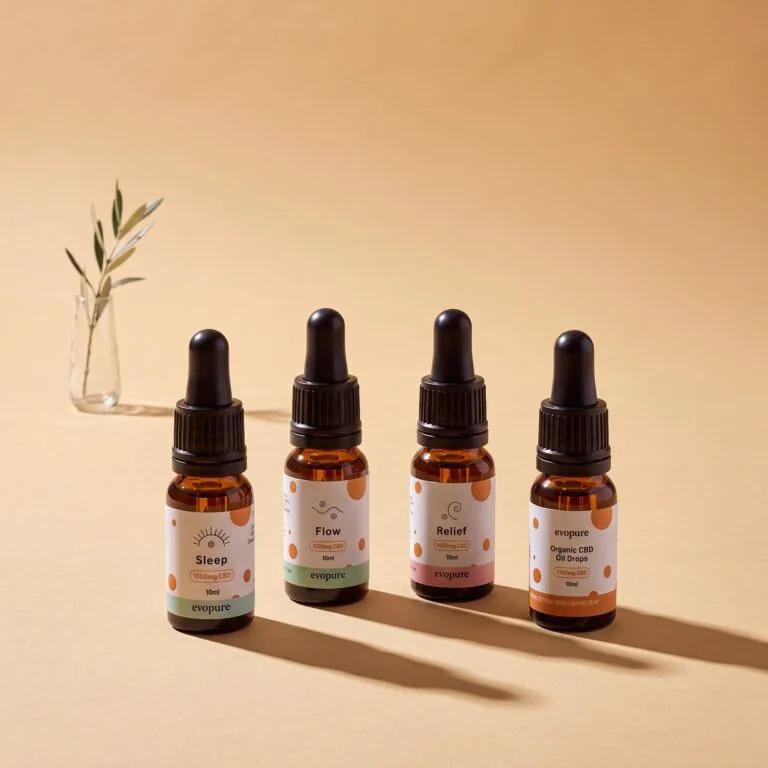
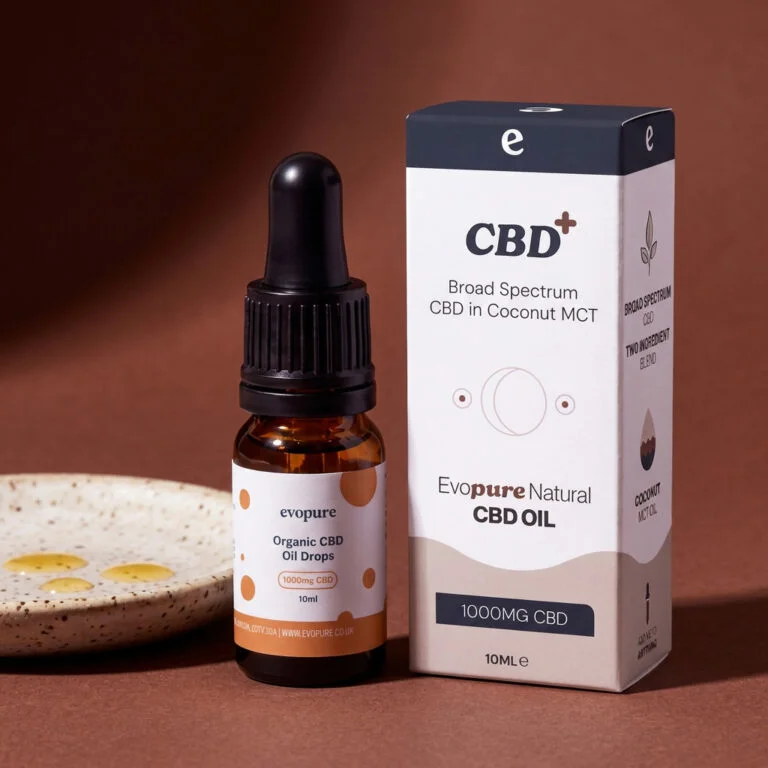
Prefer not to vape? CBD oil under the tongue or a capsule means nothing is heated or inhaled. Our Broad Spectrum CBD Oil is just broad spectrum CBD in organic MCT oil, and our Broad Spectrum CBD Capsules come pre-measured at 10mg or 25mg.
Why you shouldn’t vape CBD oil
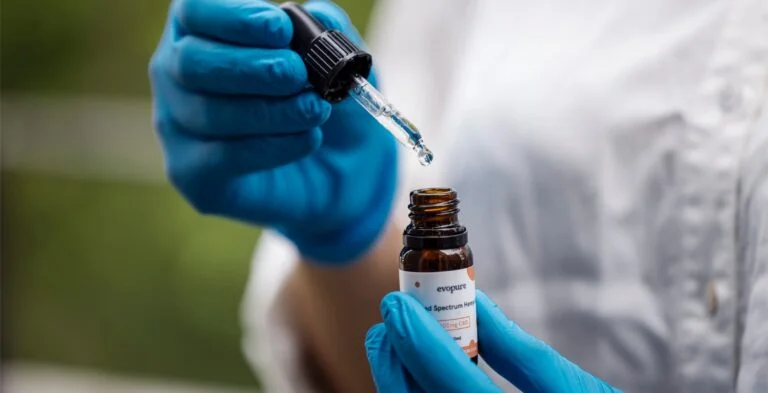
CBD oils sold in dropper bottles are designed to be held under the tongue and swallowed. They dissolve CBD in a carrier oil, usually MCT (coconut) oil, hemp seed oil or olive oil. Oils like these aren’t meant to reach your lungs, and they can also burn or clog a vape coil. That includes our own oils: they’re made with MCT oil for use under the tongue only. If you’re curious how carrier oils differ, see MCT vs hemp seed vs olive oil.
What is lipoid pneumonia?
Lipoid pneumonia is lung inflammation caused by fatty or oily material building up in the small airways and air sacs, which makes it harder for the lungs to take in oxygen. The type caused by outside sources (exogenous lipoid pneumonia) comes from breathing in (aspirating or inhaling) oil-based substances, and clinicians now list vaping products among the causes, with a rising number of cases linked to e-cigarettes and THC oil in young adults. It is easily mistaken for an infection, and treatment starts with stopping the exposure.
If you have vaped an oil and you notice a cough, chest pain or breathlessness, stop and speak to your GP or call NHS 111.
What the 2019 EVALI outbreak taught us
In 2019 and early 2020, the US saw an outbreak of serious lung injury in people who vaped, known as EVALI. By February 2020 the US Centers for Disease Control and Prevention (CDC) had recorded 2,807 hospitalised cases or deaths, including 68 confirmed deaths. When researchers tested lung fluid from 51 patients, they found vitamin E acetate, an oily thickener added to illicit THC cartridges, in 48 of them (94%), and none in healthy comparison groups. Of the patients with data, 94% had also used THC products.
EVALI wasn’t linked to legal UK CBD e-liquids. Its lesson is about oils: the CDC’s advice is not to add anything to a vape that the manufacturer didn’t intend. Oils, thickeners and tinctures don’t belong in a vape tank.
Can you put cannabis oil in a vape?
No. Cannabis oil containing THC is a Class B controlled drug in the UK, and illicit THC vape cartridges were linked to most EVALI cases. Cannabis oil is also usually thick and oil-based, so it carries the same lung risk as CBD drops. For the legal side, see CBD vs THC: the key differences.
Is vaping CBD safe?
Not completely, and nobody can yet say how safe it is over the long term. The NHS says vaping in general is not risk-free, poses a small fraction of the risk of smoking, and that its long-term risks are not yet clear. It doesn’t recommend e-cigarettes for non-smokers.
Research on vaping CBD specifically is limited and fairly new:
- A 2025 laboratory study found that CBD vape liquids on sale contained CBD quinone, a reactive substance formed when CBD oxidises, and that vaping could increase it in some products. In human airway cells, it interfered with normal cell growth. The authors also found plasticisers, flavourings and solvents in commercial products.
- A 2025 review of cannabinoid vaping products described concerns about very high concentrations, contaminants such as heavy metals, flavourings, and by-products created by heat, and called for long-term studies.
These are lab and review findings, not studies of people who vape CBD for years, but they are a good reason not to treat a CBD vape as a wellness habit. If you don’t already vape, there’s no need to start: drops and capsules give you CBD without involving your lungs.
CBD oil vs CBD e-liquid
| CBD oil (tincture) | CBD e-liquid | |
|---|---|---|
| Base | Carrier oil such as MCT | Propylene glycol (PG) and vegetable glycerine (VG) |
| How you take it | Under the tongue, then swallowed | Inhaled from a vape |
| Safe to vape? | No | Only if made for vaping, and not risk-free |
| Felt in | 15 to 45 minutes | A few minutes |
| Lasts | Several hours | Shorter, often 1 to 3 hours |
| Regulated as | Food supplement (FSA public list) | Consumer product; not a food |
Bottles look similar, so always read the label: e-liquids say they’re for vaping and list PG/VG. If it says “take under the tongue”, don’t vape it. Hemp seed oil is different again: it’s a food oil with little or no CBD, and it shouldn’t be vaped either (see hemp oil vs CBD oil).
CBD vape vs oil vs capsules
If you’re deciding how to take CBD, this is how the main options compare.
| CBD vape (e-liquid) | CBD oil drops | CBD capsules | |
|---|---|---|---|
| Felt in | A few minutes | 15 to 45 minutes | 1 to 2 hours |
| Lasts | Shorter, often 1 to 3 hours | Several hours | Several hours |
| Dose control | Hard: depends on puff size and device | Good: count the drops | Exact: same mg every capsule |
| Lungs involved? | Yes | No | No |
| On the FSA public list? | No (not a food) | Can be | Can be |
| Best for | Existing vapers only | Flexible dosing | A simple daily routine |
Inhaled CBD reaches the bloodstream faster than swallowed CBD, which is why vapes are felt sooner. For most people, though, a steady routine with drops or capsules is easier to manage. Read more in CBD oil vs capsules and why CBD absorption varies.
If you do vape CBD: how to do it more safely
- Use a CBD e-liquid made for vaping, never a tincture, cooking oil, cannabis oil or homemade mix.
- Don’t add anything to it. No drops, thickeners or “boosters” that the manufacturer didn’t intend.
- Use a refillable, rechargeable vape suitable for the liquid. Disposable vapes are now banned from sale in the UK.
- Check the lab report for the batch: CBD content, THC “not detected”, and screening for heavy metals and solvents. See how to read CBD lab reports.
- Buy from a UK brand rather than unknown overseas or street sellers, where contamination and THC are more likely.
- Start with small puffs and wait a few minutes before taking more.
UK rules on CBD vapes
- Disposable vapes are banned. Since 1 June 2025 it’s been illegal to sell single-use vapes in the UK, whether or not they contain nicotine. That includes disposable CBD vape pens. Refillable, rechargeable vapes are still allowed.
- 18 and over for all vapes. From 29 October 2026, the age of sale for all vaping products in the UK will be 18, including non-nicotine vapes, and it will be an offence for adults to buy them for under-18s. Scotland already restricted both kinds.
- Nicotine e-liquids must be notified to the MHRA before sale under the Tobacco and Related Products Regulations 2016, with limits such as 10ml refill bottles and 20mg/ml nicotine.
- Nicotine-free CBD e-liquids aren’t covered by those regulations. Instead they fall under general product safety law, which requires producers and sellers to supply products that are safe in normal or reasonably foreseeable use. There is no pre-sale notification, so the lab report matters even more.
- THC rules still apply. CBD vapes containing THC are controlled unless they meet the Home Office’s strict exempt product conditions, including no more than 1mg of THC per container. “Delta-8” and other THC variants sold online are also controlled in the UK. See delta-8 THC in the UK.
- Not on the FSA list. The FSA’s novel food rules cover CBD you eat or drink, so vapes aren’t on its public list.
Read more in is CBD legal in the UK?
Do CBD vapes contain nicotine?
A CBD e-liquid may or may not contain nicotine, so check the label. If it does contain nicotine, it should appear on the MHRA’s published list of notified products. Be wary of cheap products: trading standards guidance warns that a significant number of illegal vapes claim to be nicotine-free when they do contain nicotine, and so never appear on the MHRA list. If you don’t use nicotine, choose a nicotine-free liquid from a seller that publishes lab reports.
How much CBD should you vape?
It’s harder to measure a vaped dose than drops or capsules, because puff size and device vary, so there’s no reliable “mg per puff”. As a guide, work out the CBD per ml of your e-liquid and how much liquid you use in a day, then take that total into account. A review of CBD in humans found that about 31% of CBD reached the bloodstream when smoked and that levels peaked sooner than when it was swallowed, while animal studies suggest much less is absorbed by mouth. So start lower than you would with oil.
The FSA’s 10mg a day figure is precautionary advice rather than a legal limit, set while longer-term safety research continues. At Evopure we think it is a very cautious figure, and many adults use more. If you go above it, increase slowly, and check with your GP or pharmacist first if you take any medication. See our CBD dosage guide.
Who shouldn’t vape CBD at all
- Non-smokers. The NHS doesn’t recommend vaping for people who don’t smoke. If you want to try CBD, use drops or capsules instead.
- Under-18s. From 29 October 2026 no vape can legally be sold to them, and our CBD products are for adults (18+) only.
- Pregnant or breastfeeding women. The NHS says little research has been done on vaping in pregnancy, and the FSA advises against CBD in pregnancy and breastfeeding as a precaution. We don’t recommend our products during pregnancy or breastfeeding. See CBD in pregnancy.
- People with asthma, COPD or another lung condition, who are more likely to react to anything inhaled.
- Anyone taking medication, unless their GP or pharmacist has said it’s fine. The FSA lists people on medication among the groups it doesn’t recommend CBD for without medical advice. See CBD and medication.
Side effects and risks
- Coughing, throat irritation and dry mouth
- Drowsiness or light-headedness, especially at first
- Lung irritation, particularly if you have asthma or another lung condition
- Medicine interactions: CBD can affect how some medicines work (see the grapefruit warning)
- Unknown long-term effects of inhaling heated CBD, flavourings and other additives
The NHS advice on vaping is aimed at helping smokers quit, not at non-smokers starting. Other ways to take CBD avoid the lungs altogether. See CBD side effects.
Can vaping CBD get you high?
Not if the e-liquid is genuinely THC-free. CBD itself isn’t intoxicating. The risk comes from products containing THC or synthetic cannabinoids, which have been found in some unregulated vapes, sometimes sold as CBD. Only buy lab-tested products from reputable UK sellers. See can CBD get you high? If you’re tested at work or on the road, read does CBD show up on a drug test?
Alternatives to vaping CBD
| Option | Felt in | Good for |
|---|---|---|
| CBD oil under the tongue | 15 to 45 minutes | Faster than capsules without inhaling; flexible dosing |
| CBD capsules | 1 to 2 hours | Exact dose, no taste, discreet |
| CBD balm | Locally | Massage into specific areas |
We don’t make CBD vapes. Our Broad Spectrum CBD Oil and Evolabs flavoured oils are for use under the tongue, and our capsules suit anyone who wants a simple daily dose. All are broad spectrum with 0% THC, made in the UK and third-party lab tested. New to drops? Follow how to take CBD oil, or compare capsules in best CBD capsules UK. For what “broad spectrum” means, see full spectrum vs broad spectrum vs isolate.
See also CBD distillate and vape liquids.
FAQs
Can you put CBD oil in a vape?
No. CBD oils made for use under the tongue contain carrier oils such as MCT that shouldn’t be inhaled and can damage your lungs. Use a CBD e-liquid made for vaping instead.
Can CBD oil be vaped if I mix it with e-liquid?
No. Mixing doesn’t make the oil safe to inhale, and oil doesn’t blend properly with PG/VG. Only use liquids made and tested for vaping.
How do I know if my CBD is a vape liquid or an oil?
Check the label. E-liquids say they’re for vaping and list propylene glycol and vegetable glycerine. Oils list a carrier oil and say to take under the tongue.
Are disposable CBD vapes legal in the UK?
No. Since 1 June 2025, selling single-use vapes is banned in the UK, whether or not they contain nicotine. Refillable, rechargeable vapes are still allowed.
Is vaping CBD better than CBD oil?
It works faster but wears off sooner and involves your lungs. For most people, oil under the tongue or capsules are simpler and avoid inhaling anything.
Will vaping CBD show up on a drug test?
CBD itself doesn’t, but some vapes contain THC, which does. Choose THC-free products with a batch lab report. See our guide to CBD and drug tests.
Does Evopure sell CBD vapes?
No. We make CBD oils for use under the tongue, capsules and a balm, all broad spectrum with 0% THC.
Is vaping CBD safe?
Not completely. The NHS says vaping isn’t risk-free and its long-term risks aren’t yet clear, and early lab research has raised questions about what heating CBD produces. If you don’t already vape, drops or capsules avoid your lungs.
Can you put cannabis oil in a vape?
No. Cannabis oil containing THC is a Class B drug in the UK, illicit THC cartridges were linked to most cases in the 2019 US vaping lung injury outbreak, and oil-based liquids shouldn’t be inhaled.
Do CBD vapes contain nicotine?
Some do and some don’t, so check the label. Nicotine e-liquids should be on the MHRA’s published list. Some illegal vapes claim to be nicotine-free but aren’t.
Can under-18s buy CBD vapes?
No. From 29 October 2026 the age of sale for all vapes in the UK is 18, including non-nicotine vapes (Scotland already restricted them). Our CBD products are for adults only.
Can you vape CBD while pregnant?
We wouldn’t. The NHS says little research has been done on vaping in pregnancy, and the FSA advises against CBD during pregnancy and breastfeeding. Speak to your midwife or GP.
Are CBD vapes good for anxiety?
CBD isn’t a treatment for anxiety, and we’d steer clear of any vape sold with claims like that. If anxiety is affecting your daily life, speak to your GP. Our guide to CBD and anxiety covers what the research does and doesn’t show.
More: CBD and anxiety: what the research shows and what is CBD? A beginner’s guide.
Sources
- NHS. Using e-cigarettes to stop smoking.
- Centers for Disease Control and Prevention (2020). Outbreak of lung injury associated with the use of e-cigarette, or vaping, products.
- Blount BC et al (2020). Vitamin E acetate in bronchoalveolar-lavage fluid associated with EVALI. New England Journal of Medicine. PMID 31860793.
- Krishnan S, Sankari A (2026). Lipoid pneumonia. StatPearls. PMID 32119464.
- Singla A et al (2026). Lipoid pneumonia. Seminars in Respiratory and Critical Care Medicine. PMID 42468912.
- Love CA et al (2025). Vaping-induced oxidation of cannabidiol causes adduction of TOP2A and interferes with cellular proliferation. American Journal of Respiratory Cell and Molecular Biology. PMID 40305674.
- Love CA et al (2025). Cannabinoid vaping products: regulation, composition, toxicological effects, and emerging research. Chemical Research in Toxicology. PMID 41218137.
- Millar SA et al (2018). A systematic review on the pharmacokinetics of cannabidiol in humans. Frontiers in Pharmacology. PMID 30534073.
- GOV.UK. Single-use vapes ban: information for businesses.
- GOV.UK (2026). Selling vaping and nicotine products.
- MHRA. E-cigarettes: regulations for consumer products.
- Business Companion (Chartered Trading Standards Institute). Manufacturing, importing or selling vapes.
- Home Office. Drug licensing factsheet: cannabis, CBD and other cannabinoids.
- Food Standards Agency. Cannabidiol (CBD) guidance.
This guide is general information, not medical advice. Evopure doesn’t make CBD vape products.