




Last updated: October 2026
CBD itself doesn’t show up on a standard UK drug test, because workplace, police and roadside tests look for THC and its breakdown product THC-COOH, not CBD. The risk is trace THC: full spectrum oils can cause a positive result, and even some products sold as THC-free contain it. No CBD product can guarantee a negative test.
This guide explains what each type of test looks for and how long THC can show up, what the research found, which CBD products carry a risk, the rules for work, driving, police and sport, what to do if you test positive, and a simple checklist to keep your risk as low as possible.
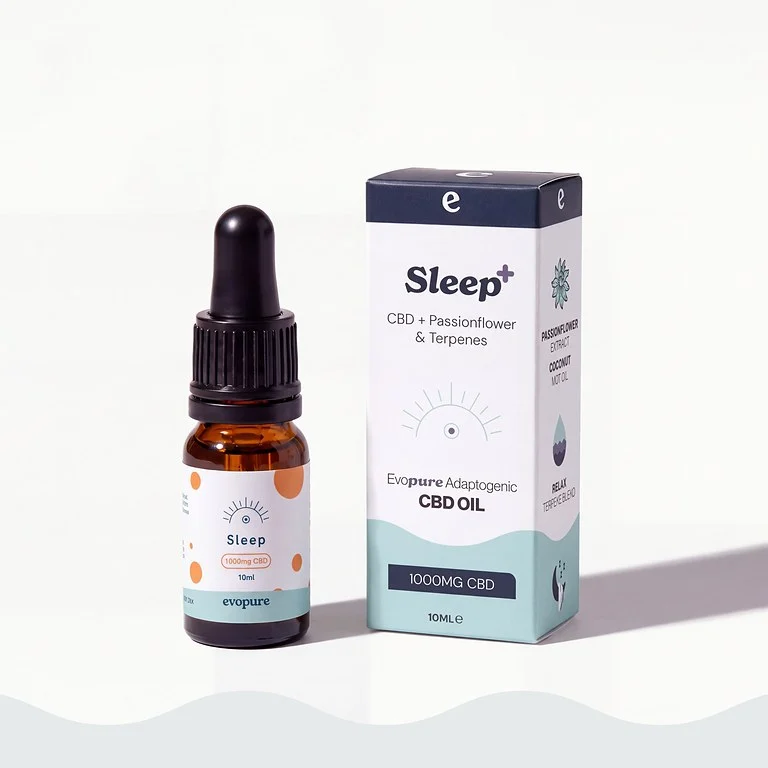
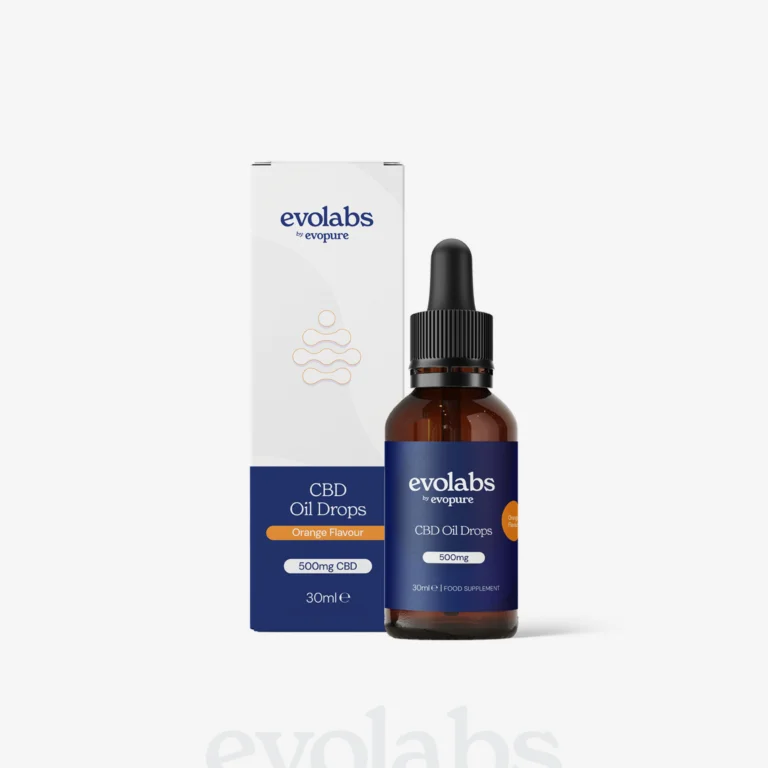
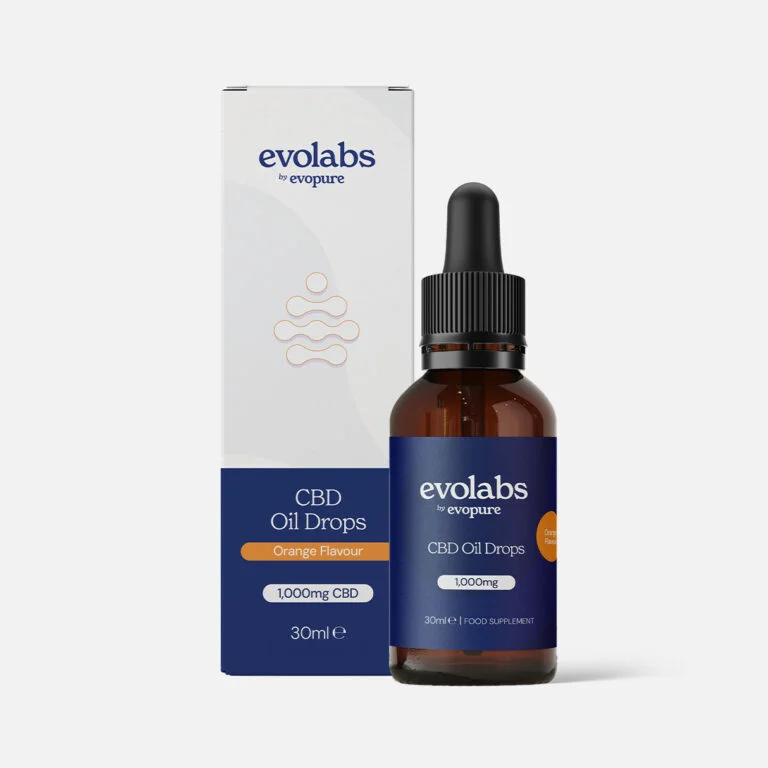
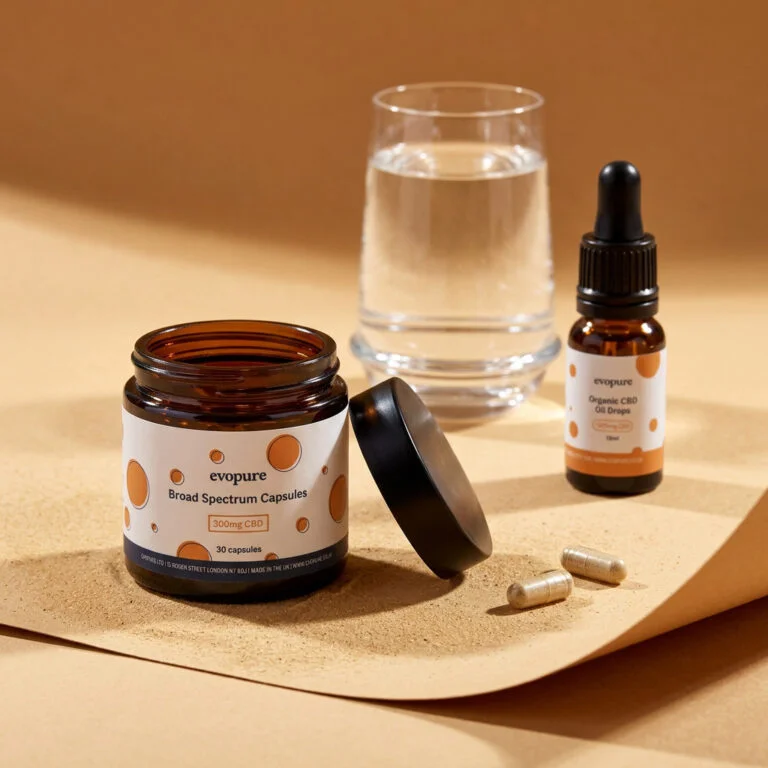
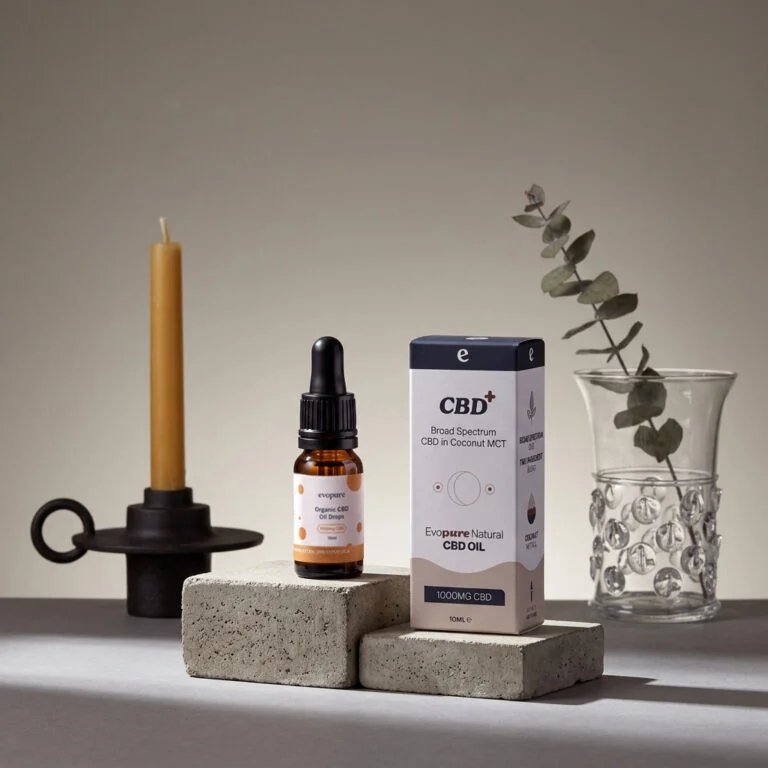
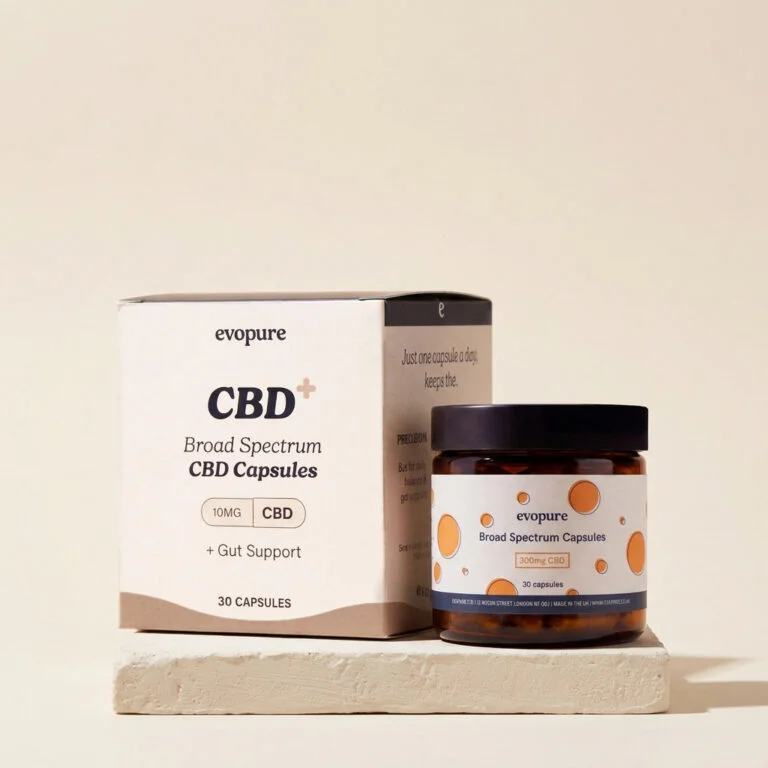
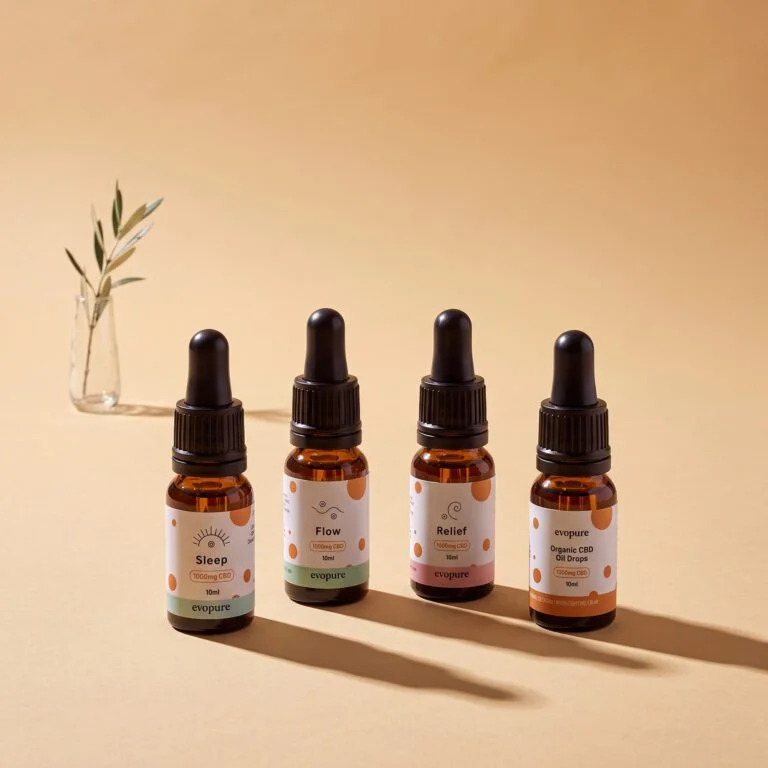
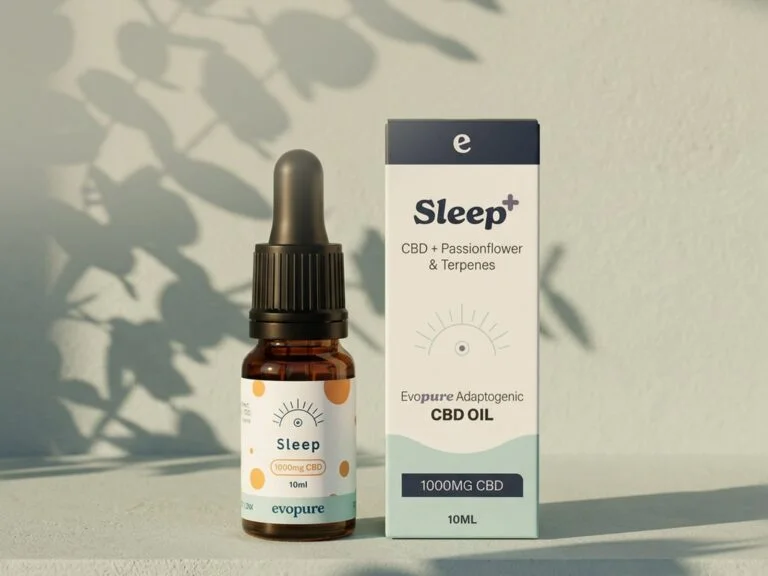
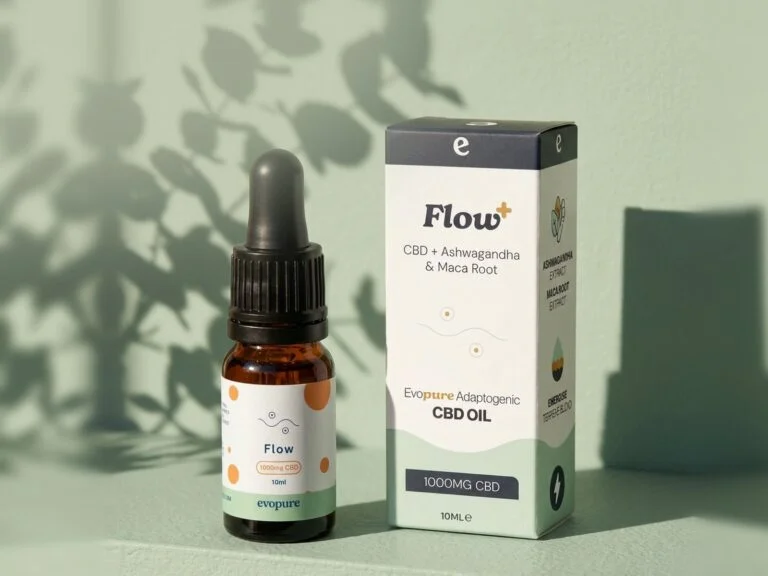
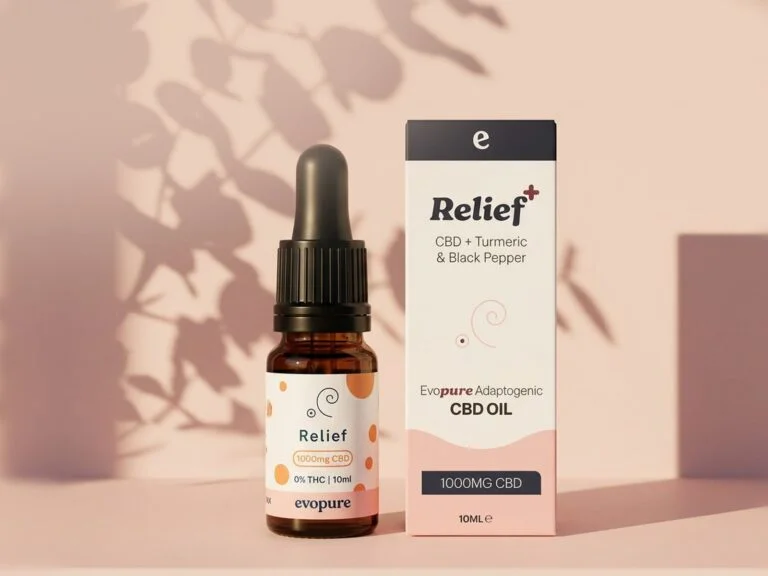
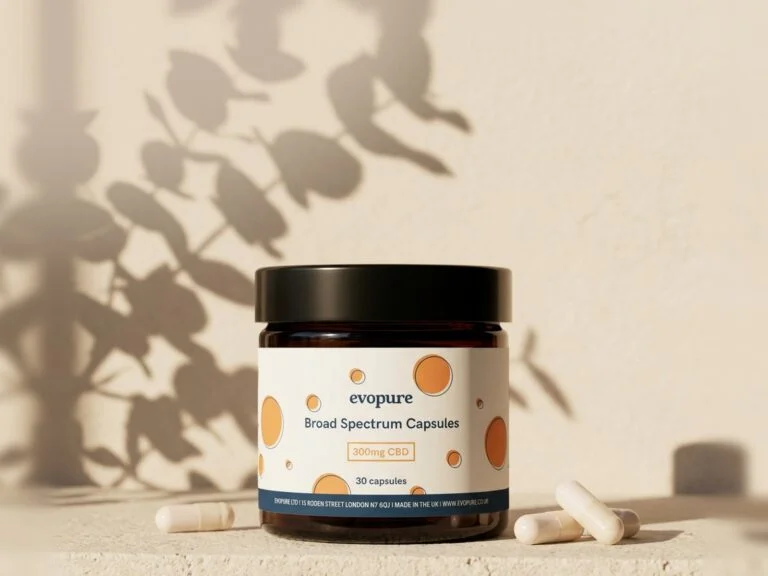
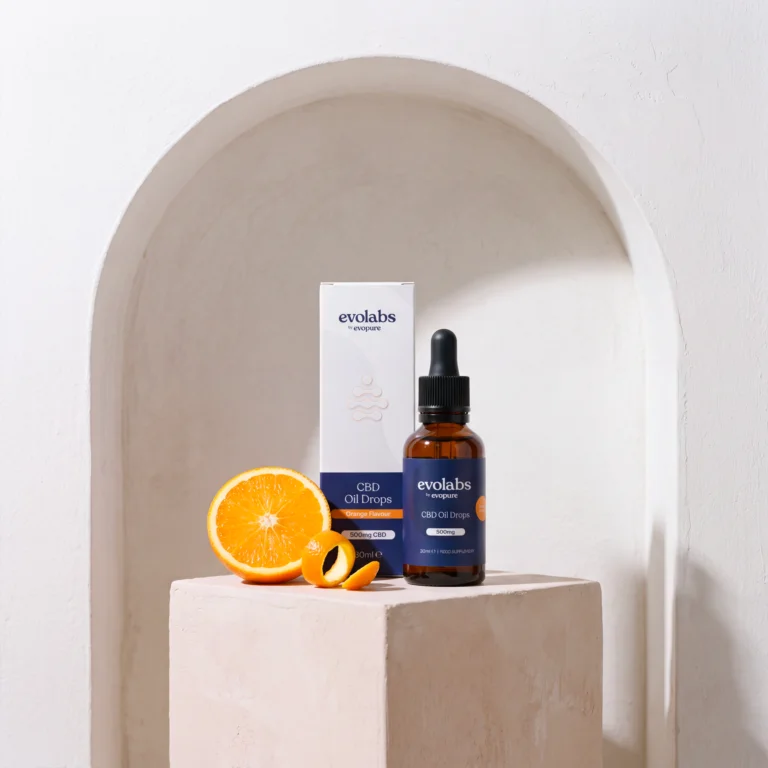
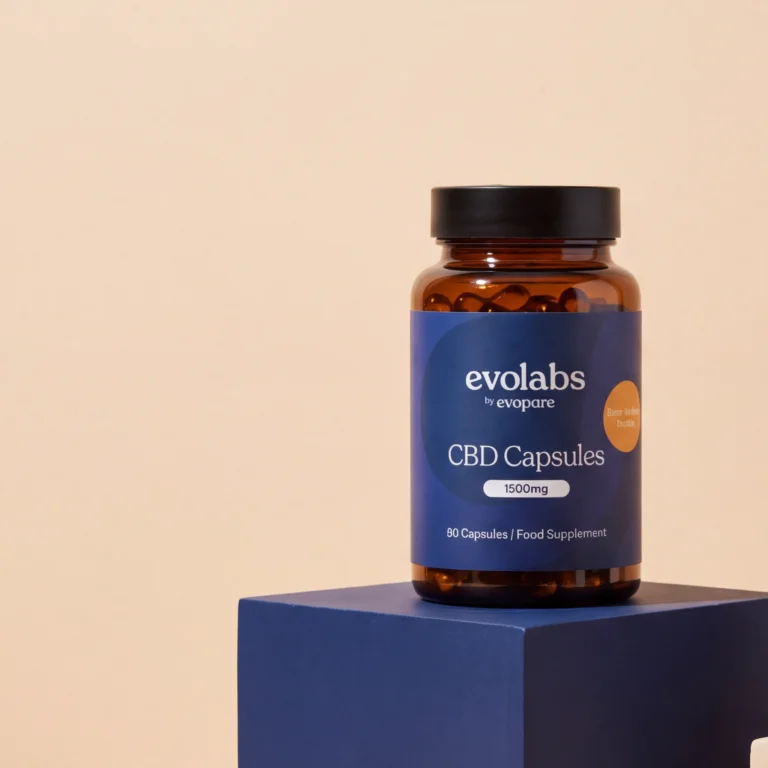
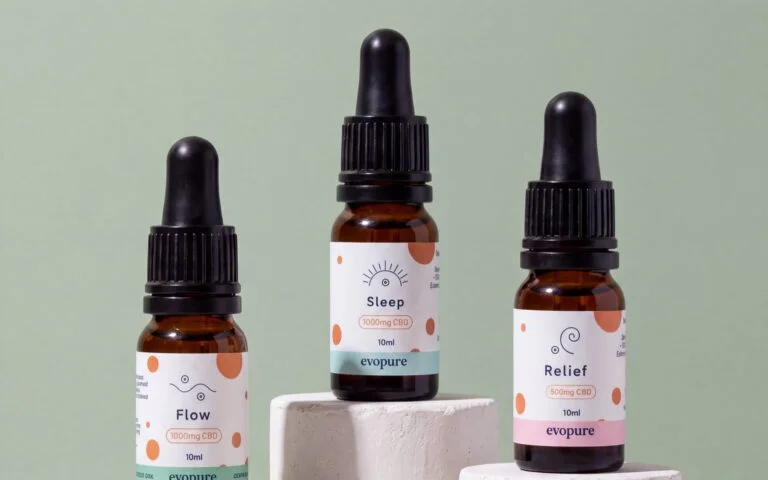
Tested at work, on the road or in sport? Our Broad Spectrum CBD Oil (CBD in MCT oil, 500mg, 1,000mg or 2,000mg) and Broad Spectrum CBD Capsules (10mg or 25mg) are broad spectrum with 0% THC. Every batch is checked by an independent lab, and you can ask for the report for your batch on our lab testing page.
What do drug tests look for?
Standard drug tests for cannabis look for THC, the compound that makes people high, or for THC-COOH, the substance your body turns THC into. They do not look for CBD, and pure CBD is not a controlled drug in the UK. That is the same whether the test is for work, the police, probation or a clinic. Most workplace tests use urine or saliva, with a quick screening test first and a more accurate lab test to confirm any positive result.
Two common worries are worth clearing up. First, CBD does not turn into THC in your body: a Johns Hopkins study that gave people pure CBD by mouth and by vape found no sign of it converting to THC. Second, CBD can be measured in urine if a lab sets out to look for it, as researchers do, but it is not part of a standard drug panel, and finding it would not count as a failed test. For the wider differences between the two compounds, see CBD vs THC.
What the research shows
Researchers at Johns Hopkins University gave volunteers pure CBD and then tested their urine many times. Of 218 urine samples after pure CBD, only one screened positive on the most sensitive setting, and none reached the confirmation level used in workplace testing. When the same volunteers vaped a CBD-rich cannabis that also contained a small amount of THC, several samples tested positive.
Later studies looked at what happens with daily use of CBD products that contain a little THC:
| Study | What people took | What happened |
|---|---|---|
| Johns Hopkins, 2020 | 100mg pure CBD, once, by mouth or vape | No urine sample reached the workplace confirmation level |
| McLean Hospital, 2021 | A full spectrum oil with 0.02% THC (about 0.8mg THC a day) for 4 weeks | 7 of 14 people tested positive for THC-COOH |
| Johns Hopkins, 2026 | 100mg CBD in MCT oil with 0 to 3.7mg THC, twice a day for 2 weeks (60 adults) | Positive urine tests in every group whose oil contained any THC; one sample in the CBD-only group was positive too, and two samples were still positive a week after stopping |
The message from all three is the same. Pure CBD is very unlikely to cause a positive test, but a tiny amount of THC, far too little to make anyone feel high, can be enough with regular use. The 2026 researchers added that standard drug tests cannot reliably tell legal hemp products apart from illegal cannabis. That is why the type of product, and proof of what is in it, matters so much. We cover the full spectrum studies in more detail in what is full spectrum CBD.
Which CBD products contain THC?
| Type | What it contains | Drug test risk |
|---|---|---|
| CBD isolate | Pure CBD only | Lowest |
| Broad spectrum | CBD plus other hemp compounds, with THC removed | Very low, if lab tested as THC “not detected” |
| Full spectrum | All hemp compounds, including trace THC | Higher, especially with regular use |
| Unlabelled or untested products | Unknown | Highest |
Labels are not always right. When researchers at the Centre for Medicinal Cannabis tested 29 CBD oils bought in the UK, only 11 (38%) were within 10% of the CBD stated on the label, and 55% contained measurable levels of THC or cannabinol, both controlled drugs. One of the Home Office conditions for a legal CBD product is that no single part of it, such as a bottle of oil, contains more than 1mg of a controlled cannabinoid like THC. As the studies above show, even well under 1mg a day can be enough for a positive urine test.
All Evopure CBD oils and capsules are broad spectrum with 0% THC, and every batch is independently lab tested. See our lab reports, what CBD isolate is and how it compares, and our side-by-side guide to full spectrum vs broad spectrum vs isolate.
Why someone might fail a test after using CBD
- Full spectrum products: trace THC can build up with regular use.
- Mislabelling: independent tests have found some CBD products contain more THC, or different amounts of CBD, than their labels say.
- Poorly made or imported products without proper lab testing, including unregulated vapes and gummies.
- Large amounts taken every day, which increases exposure to any trace THC.
- Products sold as “legal highs” or “hemp” alternatives such as delta-8 THC, which are THC by another name.
- Medical cannabis prescribed with THC.
Types of drug test and how long THC shows up
How long THC can be detected depends on the type of test, how much was taken, how often, and how sensitive the test is. These are general guides, not promises:
| Test | Where it’s used | Typical detection window for cannabis |
|---|---|---|
| Urine | Most workplace, pre-employment and probation tests | Around 2 to 3 days after one-off use, up to a month for regular users |
| Saliva (mouth swab) | Police roadside kits and some workplaces | Recent use: drugs generally show for hours up to about 2 days |
| Blood | Police station test after a positive roadside screen | Drugs generally show at low levels for 1 to 2 days |
| Hair | Less common; used where a longer history is wanted | The longest window of any test |
These windows are for THC, not CBD. If you want to know how long CBD itself stays in your body, read how long CBD stays in your system.
Workplace drug tests
UK employers don’t test for CBD, but many test for THC, particularly in transport, construction and other safety-critical roles. Government guidance says employers need your agreement to test you, usually through a policy in your contract or staff handbook. You can’t be forced to take a test, but refusing when your employer has good grounds can lead to disciplinary action.
Laboratory urine tests usually work in two steps: a screening test, then a more accurate confirmation test. In the studies above, the screen was positive at 50 ng/ml of THC-COOH and the confirmation at 15 ng/ml, which are the standard US federal workplace cut-offs. Some screens are more sensitive than their stated cut-off, which is one more reason to choose a product with THC “not detected” on its lab report.
Check your employer’s drugs and alcohol policy: some ask staff not to use any CBD products at all, whatever the type. If you are tested regularly, it can help to tell your employer or occupational health team that you use a THC-free CBD product and keep the batch lab report.
Police roadside drug tests and driving
Police in the UK can use a roadside kit to screen for cannabis and cocaine. It tests a small sample of saliva and looks for THC, not CBD. If you fail, you will be taken to a police station for a blood test, and that blood result is what counts in court. Police can also ask you to do a field impairment assessment, such as walking in a straight line.
In England and Wales the drug-driving limit for THC is 2 micrograms per litre of blood. It is one of the zero tolerance limits for drugs linked to illegal use, set so low that accidental exposure can be ruled out as an excuse. CBD is not on the list of drugs with a limit. A conviction for drug driving means at least a 1-year driving ban, an unlimited fine, up to 6 months in prison and a criminal record.
So CBD itself is not illegal to drive on, but a CBD product with hidden THC could put you over the limit, whether or not you feel any effect. See our full guide to CBD and driving in the UK.
Sport and anti-doping
UK Anti-Doping confirms that CBD is not on the World Anti-Doping Agency’s Prohibited List, so it is permitted in sport. However, all other cannabinoids, including THC, are prohibited in competition. THC has a reporting threshold in urine of 150 ng/ml, but most other cannabinoids have no threshold, so even tiny amounts can count as a doping violation.
UK Anti-Doping is clear that athletes use CBD at their own risk, that a positive test caused by a CBD product does not reduce the athlete’s fault, and that manufacturers’ lab reports should not be relied on as reassurance. Athletes should only use isolate or broad spectrum products with batch testing, ideally products tested under a sports supplement scheme, and check with their governing body. See CBD for athletes.
Armed forces, police officers and safety-critical jobs
The armed forces, police, aviation and rail industries all test for drugs, and many have strict policies. Health and Safety Executive guidance says screening may be justified for people who make safety-critical decisions, such as drivers, pilots and some machinery operators. Some organisations advise staff to avoid CBD products altogether because of the risk of trace THC. Always check your own organisation’s policy before using any CBD product.
What to do if you test positive after using CBD
- Ask whether the result has been confirmed. A screening test is only the first step. A laboratory confirmation test measures THC-COOH far more accurately, and a positive screen on its own is not the final word.
- Tell the person managing the test about your CBD product. That might be your occupational health team, your employer’s testing provider or your sport’s anti-doping body.
- Keep the bottle or pack and its batch number. Don’t throw it away. It can be sent for independent testing if needed.
- Get the batch lab report (COA). It should show the THC result for that batch. Our guide explains how to read a CBD lab report.
- Stop using the product until it’s resolved, and list any other cannabis-derived products or prescribed medicines you take.
A lab report helps explain a result, but it may not excuse it. In sport, the athlete is responsible for anything in their sample, and workplace policies vary. If your job or a legal case is at stake, get advice from your union, Acas or Citizens Advice.
5 ways to lower your risk
No CBD product can promise a negative drug test. These steps keep the risk as low as it can be:
- Choose broad spectrum or isolate, never full spectrum, if you are tested.
- Check the batch lab report shows THC “not detected”, and look at the total THC per bottle, not just the percentage. See how to read CBD lab reports.
- Buy from a brand on the FSA public list that publishes or shares its reports. Our guide to the FSA’s first CBD approvals explains what the list means.
- Avoid high daily amounts. The more product you take, the more of any trace THC you take with it. See our CBD dosage guide.
- Avoid unregulated vapes, gummies and products of unknown origin, and check your employer’s or sport’s policy, keeping your lab report in case you need it.
Related guides
- The UK rules on THC in CBD products.
- Unregulated vapes are a common source of THC: see vaping CBD safely in the UK.
- Using a topical instead? See whether CBD balm shows up on a drug test.
- Student athlete? See CBD for studying and exams for drug tests, ADHD medicines and the under-18 rule.
- Prefer a fixed amount? Compare CBD oil vs capsules or read our guide to choosing CBD capsules.
- Full spectrum oils carry the most THC, so read how much THC full spectrum CBD can contain.
- CBD itself isn’t intoxicating, which is why tests look for THC instead; see why CBD doesn’t get you high.
- Some countries drug test arrivals, so read is CBD legal in my country? before travelling with CBD.
- Unexpected THC can also cause effects people blame on CBD; see CBD oil side effects.
- For why hemp and marijuana are treated so differently, see hemp vs marijuana and UK law.
- CBN can also cross-react with some THC urine screens: see CBN and drug tests.
- If you compete in lifting, our guide to CBD for weightlifting covers the WADA rules alongside the research.
- Taking mushroom supplements too? See whether lion’s mane shows up on a drug test.
How Evopure’s CBD is tested
If you are drug tested, our Broad Spectrum CBD Oil and Broad Spectrum CBD Capsules are the ones we designed for you. Both are broad spectrum with 0% THC. The oil is CBD in MCT oil only, in 500mg, 1,000mg or 2,000mg bottles (about 2.5mg, 5mg or 10mg of CBD per drop). The capsules come pre-measured at 10mg or 25mg, so you always know exactly how much you are taking.
- Every batch is tested by an independent lab working to ISO 17025, which checks the CBD content matches the label, confirms THC is not detected, and screens for heavy metals, pesticides and microbes.
- You can see the report for your batch: ask through our lab testing page and we’ll send it over.
- Our CBD products are on the FSA public list, linked to validated novel food applications.
- Vegan, alcohol-free and made in the UK.
Even so, we can’t promise a negative test, and nobody honestly can. If you are tested for sport or a safety-critical job, follow your governing body’s or employer’s rules first.
CBD food supplements aren’t a treatment for any condition. Our products are for adults (18+) only, and we don’t recommend our products during pregnancy or breastfeeding.
The FSA’s 10mg a day figure is precautionary advice rather than a legal limit, set while longer-term safety research continues. At Evopure we think it is a very cautious figure, and many adults use more. If you go above it, increase slowly, and check with your GP or pharmacist first if you take any medication.
FAQs
Does CBD oil show up on a drug test in the UK?
CBD itself does not, because standard tests look for THC. Products containing trace THC, such as full spectrum oils, can lead to a positive result.
Does CBD show up on a random drug test?
Not if the product is genuinely THC-free. Random tests look for THC, so the risk comes from products that contain it.
Can full spectrum CBD make me fail a drug test?
Yes, it can, because it contains trace THC that can build up with regular use. If you are tested, choose broad spectrum or isolate instead.
Is broad spectrum CBD safe for drug-tested athletes?
Broad spectrum CBD with THC “not detected” is very low risk, but other cannabinoids are banned in competition with no reporting threshold. Athletes should choose batch-tested products and check with their governing body.
Can my employer drug test me for CBD?
Employers test for THC rather than CBD, but some policies ask staff not to use CBD products at all. Check your workplace policy.
How long is THC detectable in urine?
It depends on how much and how often THC is used. It can be detected for a few days after occasional use and for weeks after heavy regular use.
Should I tell my employer I use CBD?
If you are tested regularly, it can help to tell your occupational health team and keep the batch lab report for the product you use.
Does CBD show up on a police drug test in the UK?
No. Police roadside kits test saliva for cannabis and cocaine, and the cannabis test looks for THC. A CBD product that contains THC could still give a positive result, so drivers should use broad spectrum or isolate with a lab report.
Can CBD show up as THC on a drug test?
Pure CBD does not turn into THC in the body and isn’t what tests look for. A positive THC result after using CBD almost always means the product itself contained some THC.
Does CBD show up in a blood test?
Standard drug blood tests look for THC, not CBD. A lab can measure CBD if it specifically looks for it, but that isn’t part of a normal drug test.
Can broad spectrum CBD make you fail a drug test?
It is very unlikely if the batch lab report shows THC “not detected”, but no product can guarantee a negative test, because labels aren’t always accurate and some tests are very sensitive.
How long after stopping full spectrum CBD will I test negative?
It varies with how much and how long you used it. In one study, two urine samples were still positive a week after people stopped a low-THC CBD oil, so allow at least a week, and longer after heavy use.
Sources
- Spindle TR et al (2020). Urinary pharmacokinetic profile of cannabinoids following administration of vaporized and oral cannabidiol and vaporized CBD-dominant cannabis. Journal of Analytical Toxicology.
- Sholler DJ et al (2022). Urinary pharmacokinetic profile of cannabidiol (CBD), THC and their metabolites following oral and vaporized CBD and vaporized CBD-dominant cannabis administration. Journal of Analytical Toxicology.
- Dahlgren MK et al (2021). Urinary tetrahydrocannabinol after 4 weeks of a full-spectrum, high-cannabidiol treatment in an open-label clinical trial. JAMA Psychiatry.
- Wolinsky D et al (2026). The acute and chronic pharmacokinetics and pharmacodynamics of oral cannabidiol with and without low doses of delta-9-tetrahydrocannabinol. Journal of Analytical Toxicology.
- Liebling JP et al (2022). An analysis of over-the-counter cannabidiol products in the United Kingdom. Cannabis and Cannabinoid Research.
- Verstraete AG (2004). Detection times of drugs of abuse in blood, urine, and oral fluid. Therapeutic Drug Monitoring.
- FRANK. Cannabis.
- GOV.UK. Drugs and driving: the law.
- Department for Transport. Drug driving: table of drugs and limits.
- Home Office (2015). Policing minister urges police forces to take up new mobile drug-testing device.
- Home Office. Drug licensing factsheet: cannabis, CBD and other cannabinoids.
- GOV.UK. Being monitored at work: drug testing.
- Health and Safety Executive. Managing drug and alcohol misuse at work: screening and testing.
- UK Anti-Doping. Cannabidiol (CBD).
- Food Standards Agency. Cannabidiol (CBD) guidance.
- Food Standards Agency. CBD products linked to novel food applications (public list).
This guide is general information, not legal or medical advice.