

Last updated: October 2026
Yes, you can legally drive after taking CBD in the UK, because CBD is not a controlled drug and is not covered by drug-driving limits. The risk is THC: the legal limit is just 2 micrograms per litre of blood, and some CBD products contain traces. Use a THC-free broad spectrum or isolate product, and don’t drive if CBD makes you drowsy.
This guide explains the law, how roadside drug tests work, the real risk from THC, and how to use CBD safely if you drive.
Is it legal to drive on CBD in the UK?
Yes. The drug-driving law sets limits for specific drugs in your blood, including THC (delta-9-tetrahydrocannabinol), but not for CBD. Two offences matter: driving with a controlled drug above its legal limit, and driving while unfit through drink or drugs of any kind, legal or not. So CBD is not the problem, but THC, or feeling drowsy, can be.
| CBD | THC | |
|---|---|---|
| Controlled drug? | No | Yes, Class B |
| Drug-driving limit | None | 2 micrograms per litre of blood |
| Detected by roadside kits? | No | Yes |
Read more: is CBD legal in the UK? and CBD vs THC.
How roadside drug tests work
Police can ask you to do field impairment tests, such as walking in a straight line, and can use a roadside kit to screen for cannabis and cocaine. These kits look for THC, not CBD. If you fail, or police think you are unfit to drive, you will be arrested and asked for a blood or urine test at a police station.
The real risk: THC in CBD products
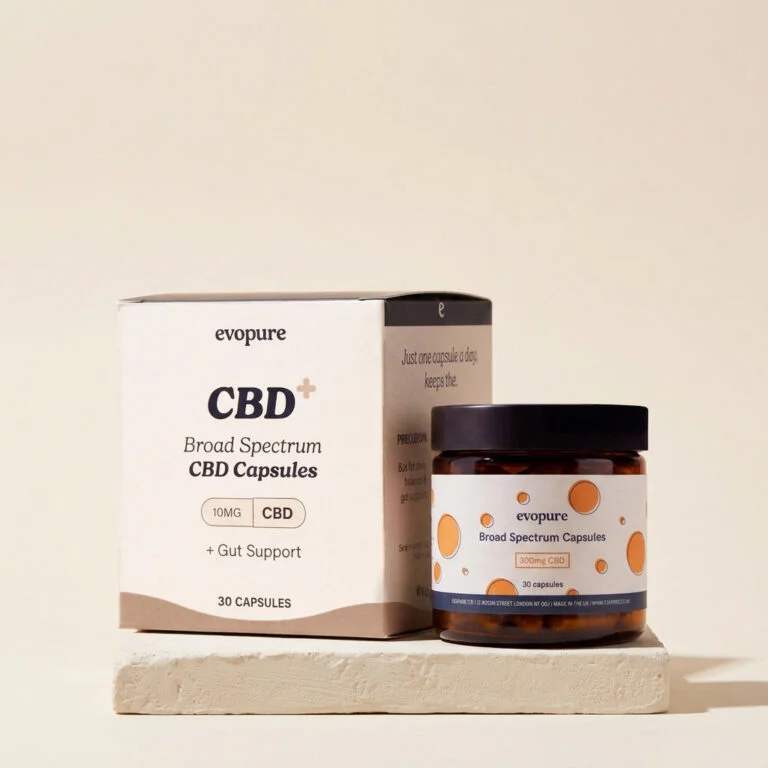
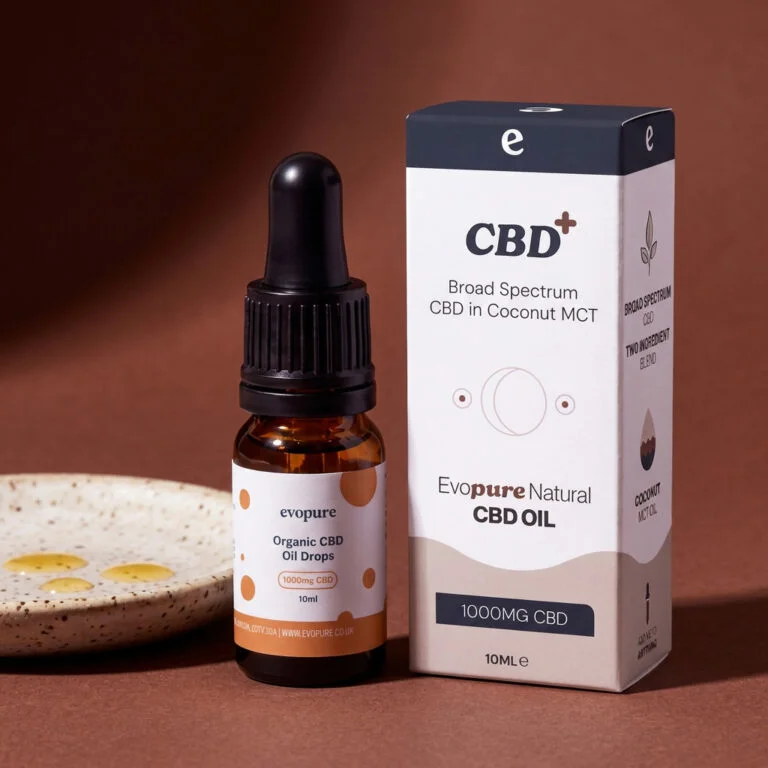
The THC limit is very low, so products containing trace THC are the main risk. Full spectrum oils, mislabelled products and untested imports are the ones to avoid if you drive. Broad spectrum and isolate products with a batch lab report showing THC “not detected” carry the lowest risk. All Evopure oils are broad spectrum with 0% THC; see our lab reports and our guide to CBD and drug tests.
Can CBD make you too drowsy to drive?
Most people feel calmer rather than sleepy, but some feel drowsy, especially at higher amounts or with evening blends. Driving while unfit is an offence whatever the cause. Try any new CBD product at home first, keep sleep blends for bedtime, and don’t drive if you feel drowsy. Some people take CBD for driving nerves; if that is you, start low and get to know how it affects you before getting behind the wheel. See CBD oil and anxiety.
Drug-driving penalties
According to GOV.UK, a drug-driving conviction can mean a minimum one-year driving ban, an unlimited fine, up to six months in prison and a criminal record. The conviction stays on your licence for 11 years and can raise your insurance costs.
How to use CBD safely if you drive
- Choose broad spectrum or isolate, never full spectrum.
- Check the batch lab report shows THC not detected.
- Try new products at home first and see how they affect you.
- Keep sleep blends for bedtime, such as our Sleep CBD Oil.
- Consider a balm for sore muscles, as topicals are not taken by mouth.
- Check medicines: CBD can interact with some, including ones that already warn about driving. Ask your pharmacist.
See our CBD dosage guide for sensible amounts.
FAQs
Is it legal to drive after taking CBD in the UK?
Yes. CBD is not a controlled drug and has no drug-driving limit. It is illegal to drive with THC above 2 micrograms per litre of blood, or while unfit to drive for any reason.
Will CBD show up on a roadside drug test?
No. Roadside kits test for THC, not CBD. A product containing trace THC could cause a positive result, so choose THC-free broad spectrum or isolate.
Can CBD make me too relaxed to drive safely?
Some people feel drowsy, especially at higher amounts. Try it at home first, and don’t drive if you feel sleepy.
Which CBD is safest if I drive?
Broad spectrum or isolate CBD with a batch lab report showing no detectable THC. Avoid full spectrum and untested products.
How much CBD is safe before driving?
There is no set amount. Start low, around 10mg, try it at home first, and never drive if you feel drowsy.
Sources
- GOV.UK. Drugs and driving: the law.
- legislation.gov.uk. The Drug Driving (Specified Limits) (England and Wales) Regulations 2014.
This guide is general information, not legal advice.